The Art of Hardscaping: Incorporating Stone Features into Your Landscape Apr 28, 2026
To begin, it is important to understand what hardscaping entails. Unlike landscaping, which focuses on living elements like plants and trees, hardscaping refers to the installation of hard materials, such as stone, brick, or concrete, within a landscape. These features provide structure and define areas in your outdoor space. They also offer practical benefits by reducing yard maintenance and managing water drainage.
One of the most popular stone features is the stone patio. Patios serve as a versatile base for outdoor gatherings, dining areas, or simply a place to unwind. When selecting stone materials for your patio, consider factors such as durability, texture, and color to ensure they complement your home and surrounding landscape. Natural stones like flagstone or slate offer a rustic charm, while poured concrete can be an economical option that mimics the appearance of stone.
Pathways are another key element in hardscaping that guide movement and create flow throughout your garden or yard. Well-placed stone paths can lead visitors effortlessly from one section of your landscape to another, enhancing the sense of exploration and discovery. Choose materials that can withstand high foot traffic and weather conditions. Gravel, pebbles, or cobblestones are excellent choices for crafting durable and attractive pathways.
Retaining walls are not only functional but also aesthetically pleasing. They help to manage soil erosion, create distinct planting areas, and add dimension to flat landscapes. When building a retaining wall, it is crucial to consider the height, drainage needs, and type of stone used. Retaining walls made from limestone or granite bring natural beauty and longevity, ensuring they stand firm against the elements.
Water features such as stone fountains and waterfalls can serve as focal points within your landscape. They bring a sense of tranquility and continuously refresh the air around them. The sound of flowing water can also mask unwanted noise from urban environments, creating a serene, private oasis. To achieve an organic look, opt for stones that mimic the natural environment, blending seamlessly with existing trees and shrubs.
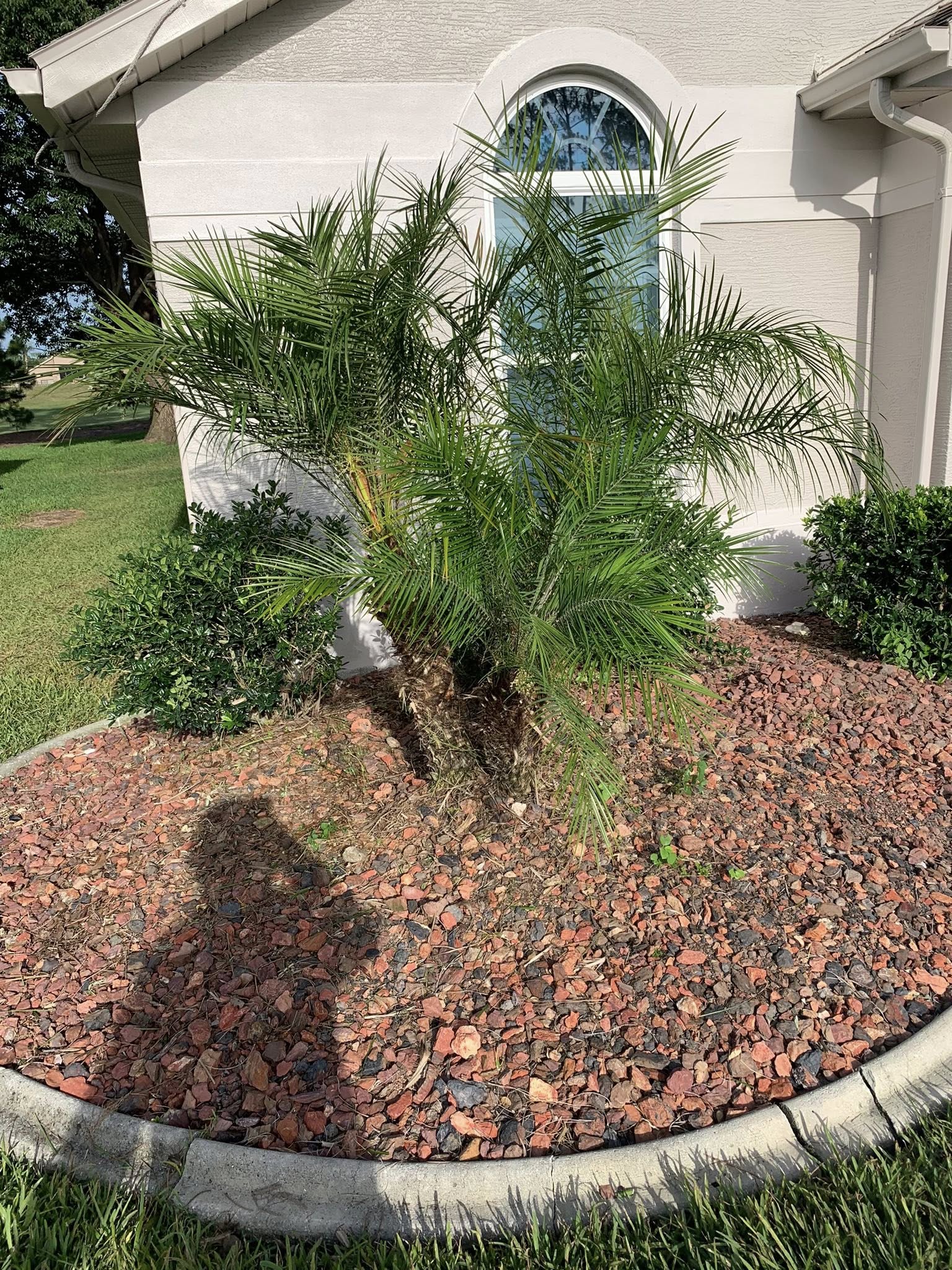
Edging, another significant aspect of hardscaping, plays a vital role in defining boundaries and maintaining clean lines within your living space. Stone edging can be used to border flower beds, lawns, or walkways, providing an elegant touch while keeping plant growth in check. Whether using large stones for a dramatic effect or small pebbles for subtler charm, your choice can dramatically affect the overall appearance.
In conclusion, incorporating stone features into your landscape is a sophisticated way to elevate its beauty and functionality. At Mitchell Lawn Service, our team of experts is committed to helping you design and implement a hardscape that reflects your personal style and enhances your outdoor experience. By thoughtfully selecting and integrating stone structures, you can create a harmonious balance of nature and artistry. Contact us today to start transforming your landscape into a masterpiece.
/filters:no_upscale()/filters:format(webp)/media/1ece1576-f37e-49a4-9814-c7a9d50b3860.jpeg)