Eco-Friendly Landscaping Tips for a Sustainable and Beautiful Yard Apr 25, 2026
To begin your eco-friendly landscaping journey, focus on choosing native plants. Native species are adapted to local climates and require less water and maintenance, making them an excellent choice for sustainable gardening. These plants often attract beneficial insects and pollinators, such as bees and butterflies, which help maintain the ecological balance. Examples include lavender, purple coneflowers, and black-eyed Susans, all of which can add vibrant colors and textures to your garden.
Water conservation is another crucial aspect of sustainable landscaping. Implementing a rainwater harvesting system can significantly reduce water consumption. By collecting rainwater in barrels, you can utilize this free resource to irrigate your plants during dry periods. Additionally, installing a drip irrigation system can optimize water usage by delivering moisture directly to the plant's roots, minimizing evaporation and runoff. These practices not only conserve water but also lower your water bills.
Ground covers are an often-overlooked component of eco-friendly yards. Using ground covers like creeping thyme or clover reduces the need for herbicides and fertilizers, while simultaneously preventing soil erosion. They also provide a unique aesthetic appeal and require minimal maintenance compared to traditional lawns. By incorporating diverse ground covers, you can create a vibrant and resilient landscape.
Composting is another essential technique for sustainable landscaping. By recycling kitchen scraps and yard waste into nutrient-rich compost, you enrich the soil naturally, promoting healthy plant growth. Composting reduces the need for chemical fertilizers, minimizes waste, and improves soil structure. Setting up a compost bin in a discreet area of your yard is a small step with significant impact on your garden's health and the environment.
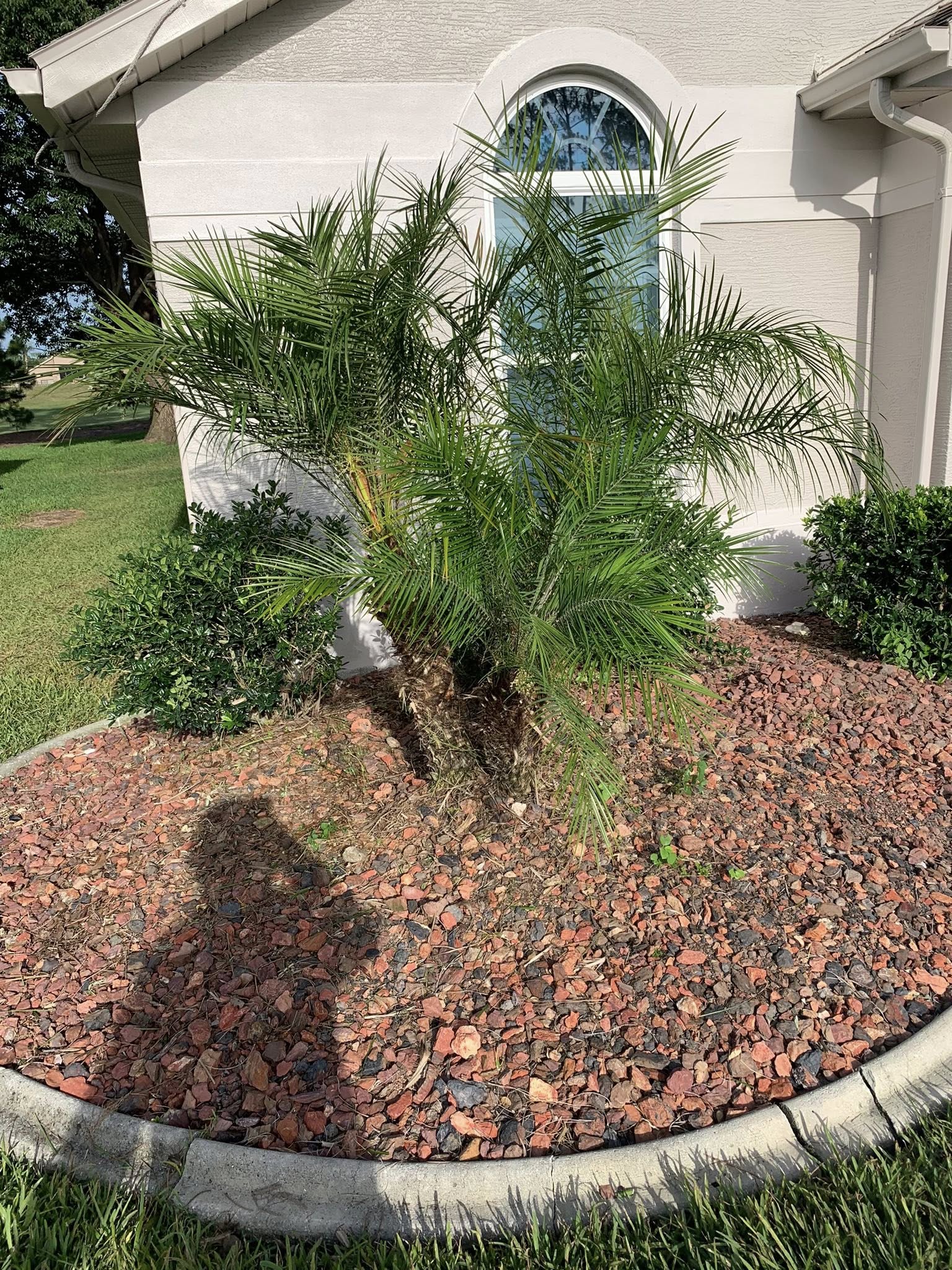
Hardscaping features, such as permeable pavers or gravel paths, are also important elements of an eco-friendly landscape. These materials prevent water runoff and allow rainwater to soak into the ground, replenishing the local groundwater supply. Incorporate recycled materials, such as reclaimed bricks or wood, to create a truly sustainable yard design. These features not only provide functionality but also add style and character to your outdoor space.
Insect and pest management is another area where eco-friendly methods can make a substantial difference. Encourage natural predators, such as ladybugs and birds, to control pest populations. Planting marigolds or basil can naturally deter insects, reducing the need for chemical pesticides. Maintaining a healthy and balanced ecosystem in your yard can keep pests in check without harmful chemicals.
The journey to creating a sustainable landscape is a rewarding one, offering both environmental and aesthetic benefits. By incorporating these eco-friendly landscaping tips, you can build a yard that supports local wildlife, conserves resources, and enhances the beauty of your home. If you need guidance or assistance, Mitchell Lawn Service is here to help you every step of the way. Together, we can create a thriving, eco-conscious environment that you can be proud of.
/filters:no_upscale()/filters:format(webp)/media/1ece1576-f37e-49a4-9814-c7a9d50b3860.jpeg)